
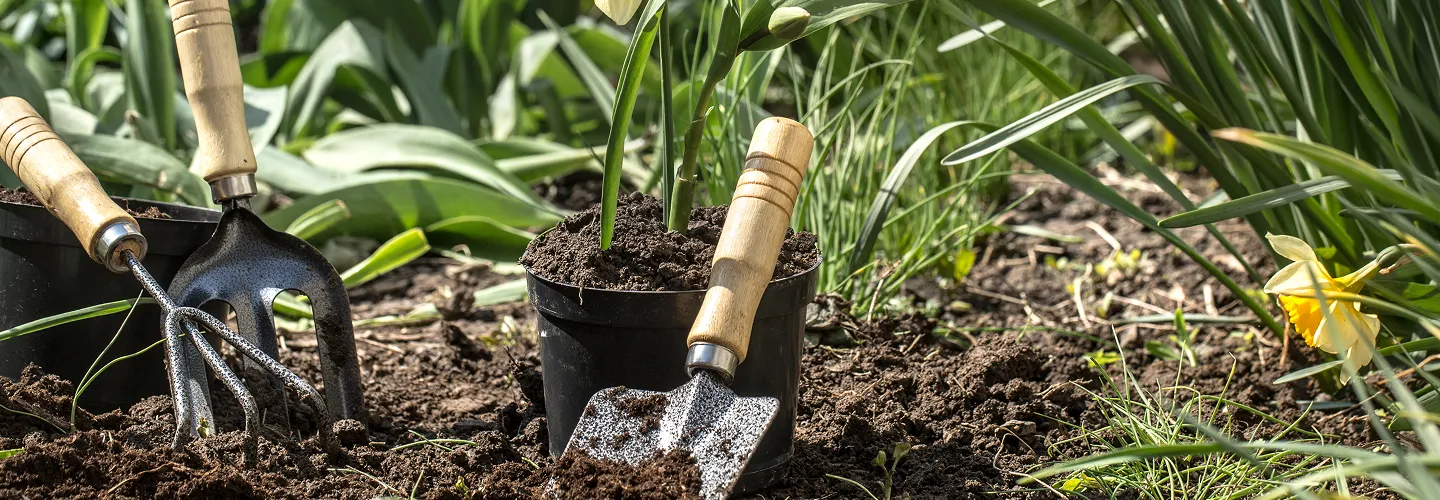
Falmouth Plant Removal Services
Choose our plant removal service for safe, thorough, and environmentally responsible solutions that restore your landscape’s beauty and health—handled by local experts you can trust.
Get a Free QuoteOur Falmouth Landscaping & Yard Care Services
When to Schedule Plant Removal in Falmouth, Massachusetts – Seasonal Guide
In Falmouth, Massachusetts, the best time to schedule plant removal is typically during late fall or early spring. These periods align with the region’s climate patterns, allowing for easier root extraction and minimizing stress on surrounding vegetation. Falmouth’s proximity to Buzzards Bay and Vineyard Sound means the area experiences moderate humidity and coastal breezes, which can affect soil moisture and the ease of plant removal. Neighborhoods like Woods Hole and West Falmouth often see varying microclimates, so it’s important to consider local frost dates—usually mid-April for the last frost and late October for the first. Removing plants before the ground freezes or after it thaws ensures minimal disruption to your landscape and supports healthy regrowth for remaining plants.
Local environmental factors such as sandy soils near Old Silver Beach, shaded lots in Sippewissett, and the risk of summer droughts all play a role in determining the optimal removal window. Additionally, municipal guidelines and conservation restrictions—often detailed on the Town of Sudbury’s website—may impact when and how plant removal can be performed. Consulting with a local expert ensures your project is both effective and compliant with Falmouth’s unique landscape requirements.
Local Factors to Consider for Plant Removal in Falmouth
- Tree density and canopy coverage, especially in wooded neighborhoods
- Terrain and soil type, such as sandy or loamy soils near the coast
- Seasonal precipitation and risk of drought
- Frost dates and temperature fluctuations
- Municipal restrictions and conservation area guidelines
- Proximity to wetlands or protected habitats
Benefits of Plant Removal in Falmouth
Expert Landscaping Team
Efficient Plant Removal
Eco-Friendly Disposal
Improved Curb Appeal
Customized Landscaping Solutions
Competitive Local Pricing
Falmouth Plant Removal Types

Tree Removal
-
Shrub Removal
-
Stump Grinding
-
Invasive Species Removal
-
Hedge Removal
-
Root System Extraction
-
Overgrown Vegetation Clearing
Our Plant Removal Process
Site Evaluation
Preparation and Safety Measures
Plant Extraction
Debris Removal
Site Restoration
Why Choose Falmouth Landscape Services
Falmouth Homeowners Trust Us
-
Expert Lawn Maintenance
-
Reliable Seasonal Cleanups
-
Efficient Irrigation Solutions
-
Competitive Pricing
-
Professional Team
-
Satisfaction Guarantee
-
Personalized Service
Contact Falmouth's Department of Public Works for Plant Material Disposal & Organic Waste Management
Proper plant material disposal in Falmouth is managed by the Department of Public Works (DPW), with seasonal yard waste collection from April-Nov. Residents must use biodegradable paper bags—plastic is prohibited per MassDEP—and bundle woody material in 4-foot lengths, 50-lb maximum, tied with biodegradable twine. The Transfer Station requires permits for contractors and resident stickers for access; fees may apply. Specialized disposal is required for invasive species (6 mil plastic bags, landfill-only), diseased plants (quarantine and controlled disposal), and hazardous plants like poison ivy or giant hogweed (special handling protocols). Healthy native plants are accepted for municipal composting, while large woody debris may be coordinated with chipping services. Immediate cleanup is essential to prevent invasive seed or pathogen spread, and materials must remain on private property until collection—never placed in streets or storm drains to avoid MS4 violations.
Falmouth Department of Public Works
416 Gifford Street, Falmouth, MA 02540
Phone: (508) 457-2543
Official Website: Falmouth Department of Public Works
Professional Plant Assessment, Species Identification & Removal Prioritization in Falmouth's Glacial Till & Rocky New England Terrain
Botanical assessment in Falmouth requires accurate species identification using taxonomic keys and scientific nomenclature, with invasive species cross-checked against the MA Division of Fisheries & Wildlife prohibited plant lists. Site evaluation considers local soils—glacial till with poor drainage, sandy outwash, rocky shallow, and marine clay—along with root system type and ecological value. Removal is prioritized for immediate threats: invasive species, diseased plants, and hazardous specimens. High priority is given to declining ornamentals or overcrowded plantings, while healthy plants needing relocation are moderate priority. Documentation includes photographic records, species verification, and restoration planning, often in coordination with UMass Extension.
Falmouth Parks and Trees Division
416 Gifford Street, Falmouth, MA 02540
Phone: (508) 457-2547
Official Website: Falmouth Parks and Trees Division
Massachusetts Conservation Commission Requirements for Plant Removal & Water Quality Protection
Plant removal within 25-100 feet of wetlands, vernal pools, or water bodies in Falmouth requires permits under the Wetlands Protection Act. The Conservation Commission oversees Notice of Intent (NOI) or Request for Determination of Applicability (RDA) filings, pre-application site visits, and public hearings. Environmental assessments evaluate impacts on soil stability, riparian buffers, and wildlife habitat, with seasonal restrictions for nesting birds (March-Aug) and vernal pools (March-June). Site protection includes equipment mats, root zone fencing, and temporary erosion controls (silt fence, straw wattles) on slopes >15%. Restoration plans must specify native species replacement and long-term monitoring.
Falmouth Conservation Commission
59 Town Hall Square, Falmouth, MA 02540
Phone: (508) 495-7445
Official Website: Falmouth Conservation Commission
Invasive Species Management & Specialized Disposal Requirements Under Massachusetts Regulations
Falmouth faces significant pressure from invasive plants such as common buckthorn (Rhamnus cathartica), glossy buckthorn (Frangula alnus), bush honeysuckles (Lonicera spp.), Japanese knotweed (Fallopia japonica), multiflora rose (Rosa multiflora), autumn olive (Elaeagnus umbellata), and oriental bittersweet (Celastrus orbiculatus). Removal protocols, per MA Dept Agricultural Resources, emphasize timing before fruit set (June-Sept), mechanical methods (cut-stump, root extraction), and selective herbicide use by licensed applicators. All invasive debris must be bagged in 6 mil plastic and landfilled—never composted or chipped. Equipment must be sanitized between sites (70% isopropyl alcohol or 10% bleach solution). Follow-up monitoring at 6-month and annual intervals is essential, with documentation and coordination with MIPAG.
Professional Certification, Safety Standards & Hazardous Plant Protocols
Plant removal professionals in Falmouth must hold MA Certified Arborist or ISA Certified Arborist credentials, with additional training for invasive species and pesticide applicator licensing (Category 36) as needed. Safety protocols require PPE: ANSI-rated safety glasses, Level A4+ cut-resistant gloves, steel-toed boots, chainsaw chaps, and hearing protection >85 dB. Hazardous plants like poison ivy, giant hogweed, and wild parsnip demand special handling—barrier creams, full body protection, and immediate washing with Tecnu or Dawn within 2 hours of exposure. Giant hogweed incidents must be reported to MA Dept Agricultural Resources. Liability insurance (1M per occurrence, 2M aggregate), environmental impairment coverage, and workers' compensation are mandatory for all contractors.
Falmouth Board of Health
59 Town Hall Square, Falmouth, MA 02540
Phone: (508) 495-7485
Official Website: Falmouth Board of Health
Seasonal Timing, Wildlife Protection & Weather Coordination for Falmouth's Climate Zone 6b
Falmouth's climate (USDA Zone 6b) features cool coastal conditions and variable weather. Optimal plant removal occurs in fall/winter (Oct-Mar) when invasive species are dormant and wildlife activity is low. Early spring (Mar-Apr) is suitable before nesting and vernal pool activity (March-June), but caution is needed during Nor'easters. Late spring/early summer (May-June) allows for targeted treatments, but work must avoid active bird nesting (March-Aug) and vernal pools. Weather coordination is critical: soil should be moist but not saturated, herbicide applications require 60-85°F and no rain for 24-48 hours, and wind speeds must be <10-15 mph. Wildlife protection includes mandatory surveys and 100-foot buffers for active nests, with work suspended until fledging.
Post-Removal Site Restoration, Soil Amendment & Native Species Establishment
Restoration after plant removal in Falmouth begins with soil testing through the UMass Soil and Plant Nutrient Testing Laboratory to assess pH (5.5-6.5 typical; lime to 6.5-7.0), nutrients, and organic matter. Amendments include compost (1-3 inches into top 6-8 inches), lime for acidity, and decompaction as needed. Immediate stabilization uses annual ryegrass or winter rye (germinates in 5-7 days), followed by permanent native plantings tailored to site conditions: oak woodland understory, wet meadow, upland meadow, or coastal species. Mulching (2-3 inch depth) and erosion control blankets are used on slopes >15%. Maintenance spans 1-2 growing seasons, with deep watering and invasive monitoring to achieve >80% native cover by year two and a minimum of 5-7 native species.
Stormwater Management & Erosion Control During Plant Removal Operations in Compliance with Falmouth's MS4 Program
Falmouth's compliance with the Clean Water Act and MassDEP Stormwater Standards requires immediate erosion control for exposed soil areas >1,000 sq ft. Storm drains must be protected from debris and sediment using inlet protection devices, silt fences, and straw wattles. Equipment staging is set 50-100 feet from water bodies, with daily cleanup and proper containment of materials. Long-term, native plant establishment improves infiltration and water quality, supporting groundwater recharge and reducing runoff. Compliance monitoring includes regular inspections, photographic documentation, and coordination with environmental officers and the Conservation Commission for final approval.
Falmouth Department of Public Works
416 Gifford Street, Falmouth, MA 02540
Phone: (508) 457-2543
Official Website: Falmouth Department of Public Works
Utility Coordination & Infrastructure Protection for Safe Plant Removal Operations
Before any excavation or root removal, Falmouth requires notification to Dig Safe (811) at least 48 hours in advance (72 hours recommended). Utilities—electric, gas, water, sewer, telecom—are marked and must be hand-dug within 18 inches of markings. Overhead power lines require a 10-foot minimum clearance. Specialized techniques, such as selective root pruning and mechanical barriers, protect infrastructure. Emergency protocols are in place for accidental utility strikes, including immediate work stoppage and notification of authorities. Final inspection ensures restoration meets municipal standards, with photographic documentation and coordination with the Building Department for any work affecting public infrastructure.
Falmouth Building Department
59 Town Hall Square, Falmouth, MA 02540
Phone: (508) 495-7470
Official Website: Falmouth Building Department
What Neighborhoods Do We Serve Throughout Falmouth, MA?
Falmouth encompasses diverse neighborhoods, each with unique plant communities and environmental sensitivities. Woods Hole features mature oak and pine canopies with moderate invasive pressure (knotweed, bittersweet), while West Falmouth and Sippewissett have coastal plantings and sensitive wetlands requiring Conservation Commission oversight. East Falmouth and Teaticket face higher invasive densities (buckthorn, honeysuckle) and infrastructure complexity due to dense development. North Falmouth and Hatchville include upland meadows and rare species habitats, often within Zone II wellhead protection areas. Historic Districts, such as Falmouth Village, require adherence to aesthetic and restoration standards. Restoration opportunities abound, from pollinator gardens to woodland understory enhancement, often in partnership with MA Audubon and local land trusts.
Falmouth Municipal Ordinances for Plant Removal Equipment Operation & Commercial Service Standards
Falmouth regulates plant removal equipment operation to minimize community disruption. Permitted hours are typically 7:00 AM-7:00 PM weekdays and 8:00 AM-6:00 PM Saturdays, with Sunday and holiday restrictions (often before 9:00 AM or prohibited). Noise is limited to 50-60 dB at property lines in residential zones, with exceptions for emergency work. Contractors must register for business licenses and Home Improvement Contractor status (>$1,000 contracts), maintain insurance (1M/2M), and provide workers' compensation. Safety protocols include traffic control (Police Department coordination), ANSI Z133 and OSHA compliance, and public notification for adjacent properties. Environmental compliance mandates proper material handling, daily cleanup, and documentation for invasive species disposal per MassDEP. Herbicide use requires licensed applicators and strict adherence to buffer zones and weather restrictions.
Falmouth Planning Board
59 Town Hall Square, Falmouth, MA 02540
Phone: (508) 495-7440
Official Website: Falmouth Planning Board